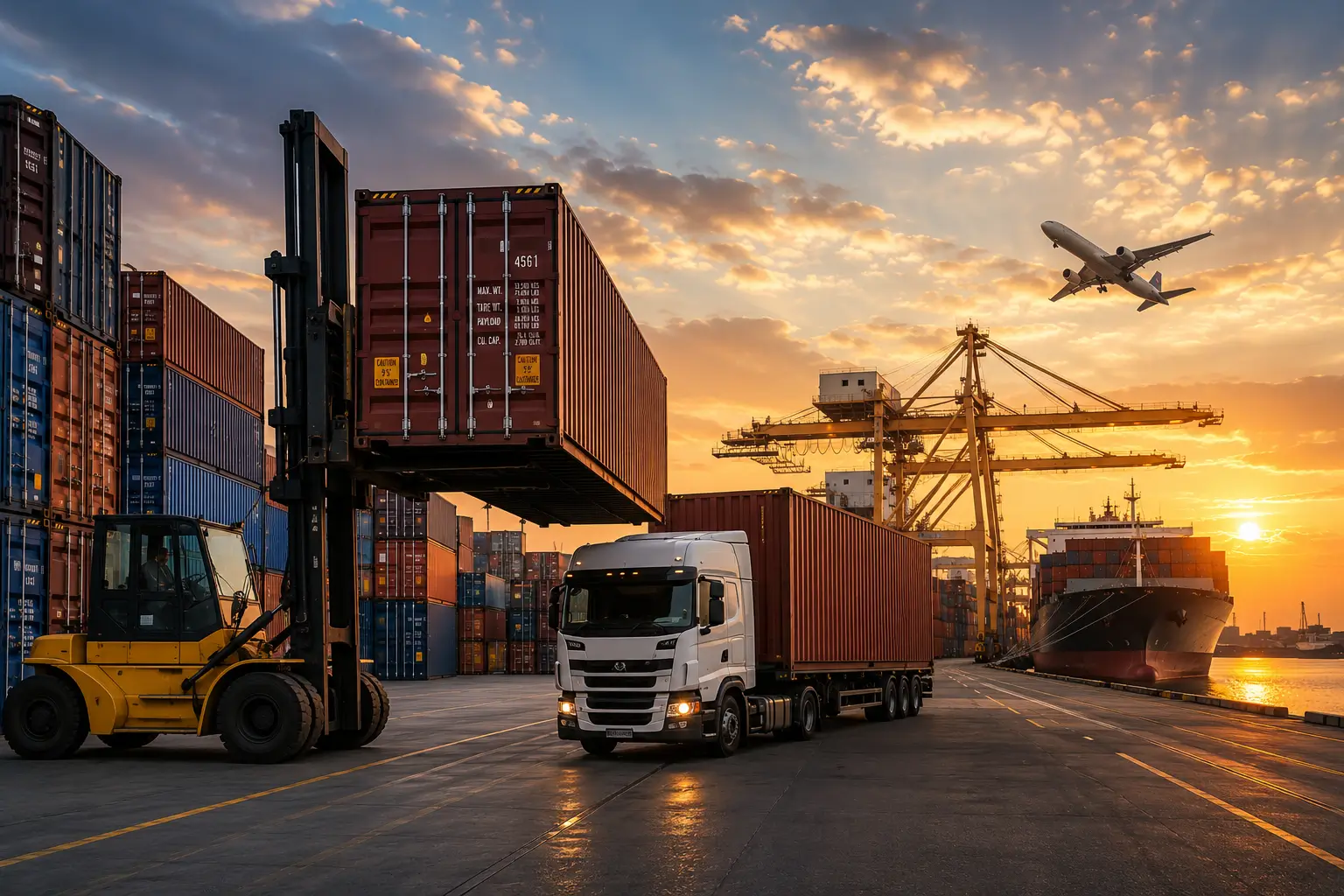
Whether you’re importing goods for your business or exporting products abroad, customs clearance is a critical step you can’t afford to overlook. In this guide, we’ll walk you through what customs clearance is, why it matters, and how to make the process as smooth as possible.
What is customs clearance?
Customs clearance is the official process of getting your shipment approved by a country’s customs authority to legally enter or exit the country. It involves submitting the proper documentation, paying applicable duties and taxes, and complying with import/export regulations.
Without proper clearance, your goods can be delayed, seized, or returned — costing you time and money.
Key documents required
Having complete and accurate paperwork is the foundation of a smooth customs process. Commonly required documents include:
Commercial invoice
Packing list
Bill of lading / Airway bill
Certificate of origin
Import / Export license
Customs declaration form
The customs clearance process step by step
- 1Shipment arrives — Goods reach the port of entry and are held by customs pending inspection and document review.
- 2Documents submitted — You or your broker submits all required paperwork to customs authorities.
- 3Duties and taxes assessed — Customs calculates applicable tariffs based on the HS code and declared value of the goods.
- 4Payment made — Duties and taxes are paid before the goods can be released.
- 5Inspection (if required) — Customs may physically inspect the shipment to verify its contents match the documentation.
- 6Goods released — Once everything checks out, goods are cleared and can proceed to their destination.
Pro tip: Always classify your goods with the correct HS (Harmonized System) code. Misclassification is one of the top reasons shipments get delayed or penalized by customs authorities.
Do you need a customs broker?
For small, straightforward shipments you may be able to handle customs clearance yourself. However, for commercial imports and exports — especially with high-value goods, regulated products, or multiple country origins — hiring a licensed customs broker can save you from costly mistakes and delays.
A customs broker acts on your behalf, ensuring your shipment complies with all applicable laws, tariffs, and local regulations.
Common mistakes to avoid
Many clearance delays are caused by avoidable errors. Watch out for these common pitfalls:
- Incorrect or incomplete documentation
- Wrong HS code classification
- Undervaluing goods on the commercial invoice
- Ignoring import restrictions or prohibited items
- Late submission of customs declarations
Final thoughts
Customs clearance doesn’t have to be overwhelming. With the right documents, proper classification, and ideally a trusted broker by your side, you can move your goods across borders with confidence. If you have questions about your specific shipment needs, our team is here to help.
Need help with customs clearance for your shipment?Customize the call to action ↗